
May I ask a simple qustion:
What is the most dangerous phrase in accounting and finance?
Some might say:
- “We’re at a loss.”
- “Margins are eroding.”
- “We’re out of cash!”
Those are serious statements. Loud ones. The kind that get immediate attention.
But in my humble —and well-earned—opinion, the most dangerous phrase in accounting and finance is far quieter:
“That’s how we’ve always done it.”
It sounds harmless. Responsible, even.
In reality, it’s the fastest way to kill innovation, miss emerging risk, and create invisible inefficiency.
In accounting and finance, this phrase often masquerades as discipline—when it’s really just comfort. And when finance gets too comfortable, things tend to go bad.

Meet SALY (Pronounced “Sally”)
If you’ve spent any time in audit or accounting, you’ve met her.
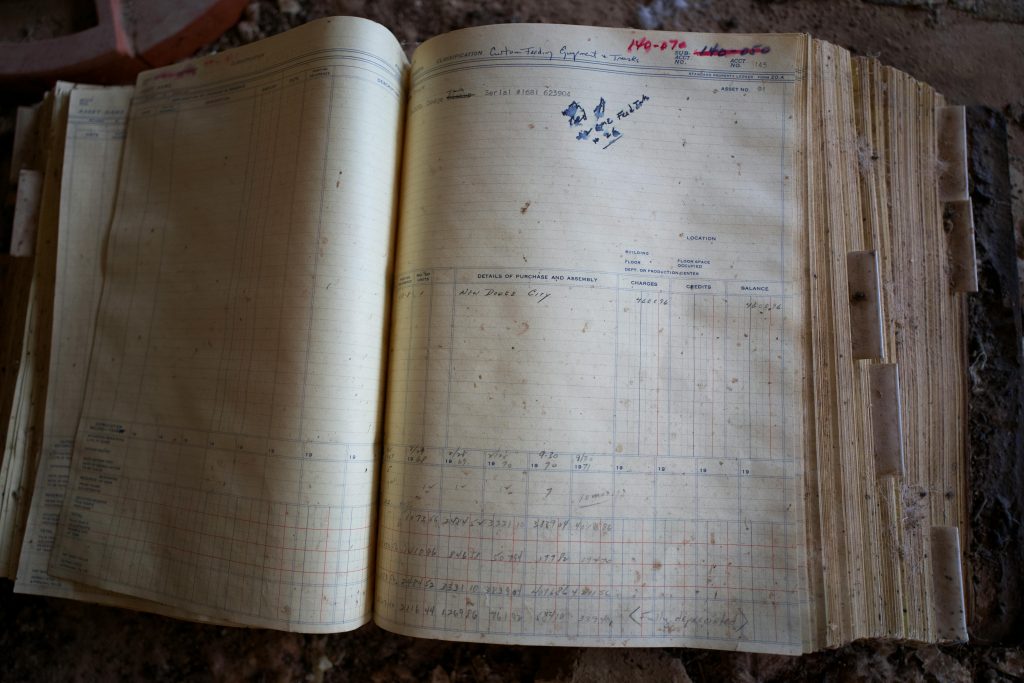
SALY—short for Same As Last Year—is a beloved character in accounting folklore.
SALY:
- Prepared last year’s workpapers
- Approved last year’s assumptions
- Apparently knew something we don’t
Need guidance?
“Just make it look like last year.”
Need judgment?
“Nothing changed.”
SALY is efficient…
until she’s not.
Because SALY isn’t a framework.
She’s a habit.
From the Audit Trenches: When SALY Ran the Show
I’ve been in or around the accounting and finance profession for over 25 years.
I took accounting in high school—on actual ledger cards (yes, I’m dating myself). In college, I chose accounting over engineering and never looked back.
My first job out of school was at a local CPA firm, where SALY quickly became a trusted “team member.” I later saw her everywhere—regional firms, Big 4 firms, and eventually inside corporate finance teams.
The unspoken logic was simple:
If it passed last year, it must be fine this year.

But here’s the problem:
- The business changed
- The systems changed
- The risks changed
- The people definitely changed
SALY didn’t.
That’s when my theory became very simple:
SALY doesn’t live here anymore.
Why SALY Thrived (and Why That’s Dangerous)
SALY worked because:
- Deadlines were tight
- Budgets were real
- Thinking takes time
And SALY is fast.
But SALY creates blind spots.
The SALY mentality:
- Lets new risks go undetected
- Leaves old assumptions unchallenged
- Turns bad processes into “the way we do things”

Efficiency without curiosity isn’t discipline—it’s fast failure.
Over time, SALY quietly transforms accounting and finance into functions that are:
- Reactive
- Defensive
- Distrusted
And no one puts strategic partner on the org chart next to that.
When SALY Finally Moves Out
Finance truly evolves the moment teams start asking better questions:
- Why do we do this?
- What decision does this support?
- Who actually uses this?
That’s when finance shifts from:
- Scorekeeper → Strategic Partner
- Gatekeeper → Advisor
- Historian → Forward Thinker
This is Leading Beyond the Ledger in action.

Keeping SALY Out of the House
This doesn’t mean everything we did last year was wrong.
Last year is a starting point—not a permanent residence.

Instead of asking:
- “What did we do last year?”
Ask:
- “What changed?”
- “What matters now?”
- “What risk or opportunity are we actually managing?”
Consistency matters.
Context matters more.
Leaders can help evict SALY for good by:
- Rewarding thoughtful challenge—not blind consistency
- Creating space to rethink processes annually
- Encouraging “this no longer makes sense” conversations
- Training teams to connect work to decisions, not just checklists
Final Thought
SALY had her day in the sun.
She helped us survive—but she should not define how we lead.
Accounting and finance don’t exist to preserve the past.
We exist to help shape the future.
So let’s be clear:
SALY doesn’t live here anymore.
And accounting and finance are better for it.