
📊 If you’re not in accounting or finance, you might assume this:
“We have rules, systems, auditors, and software… so the numbers should just be right, right?”
Mostly.
But not automatically.
Here’s the part many leaders don’t realize:
The hardest decisions in finance don’t come from rules. They come from judgment.
And judgment is a leadership skill—not a technical one.
Why Judgment Still Matter
🧠 Rules Can’t Replace Thinking
Modern finance runs on structure:
Policies
Frameworks
Checklists
Controls
Software that flags exceptions
Those are essential. But they all share a limitation:
They only work for situations that already exist.
Business, on the other hand, keeps evolving:
New revenue models
New data assets
New partnerships
New risks
New technologies

When something doesn’t fit neatly into a predefined box, the rules don’t disappear—but someone still has to decide what makes sense.
That’s judgment.
🎯 Where Leadership Actually Shows Up
The most important finance conversations don’t sound like accounting debates.
They sound like this:

“Do we really control this, or are we just along for the ride?”
“Does this reflect how the business actually operates?”
“If a board member asked ‘why,’ could we explain it?”
Those are leadership questions.
And they matter because numbers don’t just report reality—they shape decisions:
- Strategy
- Investment
- Compensation
- Risk tolerance
- Credibility with stakeholders
⚠️ The Real Risk Isn’t Getting Creative—It’s Getting Comfortable
Most financial missteps don’t happen because someone ignored the rules.
They happen because:
- “That’s how we’ve always done it”
- “The system didn’t flag it”
- “It passed last year”
Comfort is dangerous.
Judgment is what forces teams to slow down and ask:
“Is this still true?”
That pause is where good leadership lives.

🧭 What Great Leaders Expect from Finance

The strongest leaders don’t ask finance teams to “just be compliant.”
They expect them to:
- Explain tradeoffs, not just outcomes
- Surface gray areas, not hide them
- Apply rules with intent, not blindly
- Say “I’m not comfortable with this yet” when needed
That’s not bean counting.
That’s stewardship.
🐧 The Not-Just-A-Bean-Counter Takeaway 😉
Judgment is not a flaw in the system.
It’s the feature that keeps the system honest.
Rules tell you what is allowed.
Judgment tells you what makes sense.
And in a world of AI, automation, and dashboards everywhere, the leaders who stand out won’t be the ones with the most data.
They’ll be the ones willing to ask:
“Does this reflect the reality of our business?”
And then make a decision—clearly, responsibly, and confidently.
Ready to Lead Beyond the Ledger?
👉 Read more or follow us on LinkedIn.
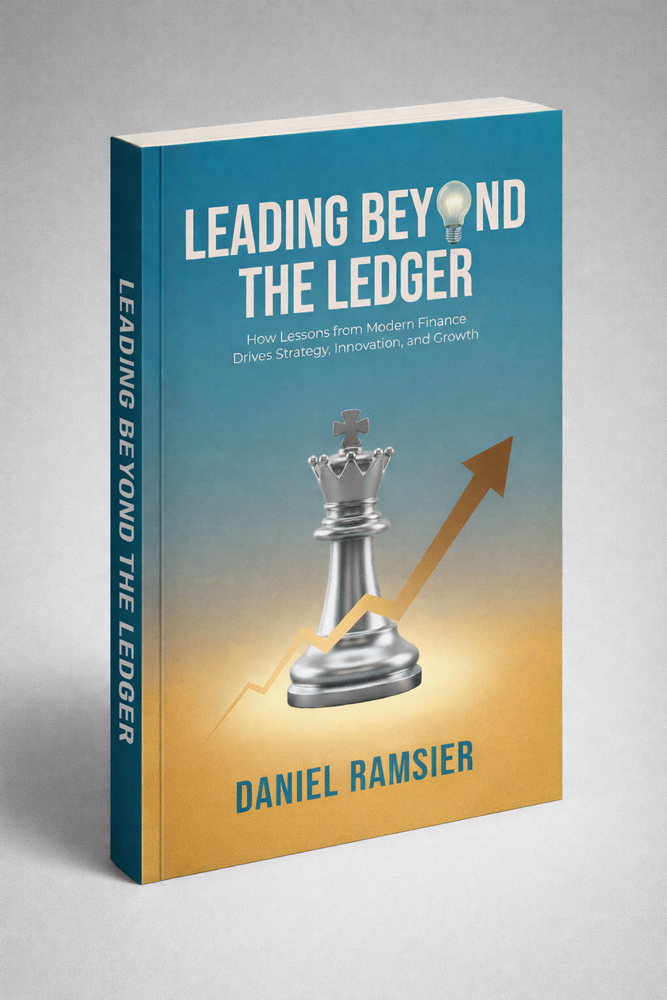
Don’t forget to check out my book on Amazon!